RAF Typhoons Deploy to Shield Saudi Arabia
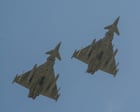
RAF Typhoon Fighters Deploy to Saudi Arabia
RAF Typhoon fighters are now engaged in defensive operations across Saudi Arabia, marking a significant escalation in UK military involvement in the region. The deployment aims to protect critical Saudi infrastructure and civilian populations from sustained Houthi missile and drone attacks. This represents one of the most substantial military commitments undertaken under the current administration's defense strategy.
Mission Scope and Operational Details
The RAF Typhoon fighters will conduct protective missions over major Saudi cities and key infrastructure installations, including airports and energy facilities. Pilots will be tasked with intercepting inbound Houthi projectiles and unmanned aerial systems before they reach their targets. This defensive posture extends beyond previous levels of UK military engagement, reflecting growing concerns about regional stability and the threat posed by Iranian-backed militant groups.
The operation involves coordination with existing air defense systems already in place throughout the kingdom. RAF personnel will work alongside Saudi military forces to establish integrated defense protocols. The mission duration and specific deployment numbers remain subject to ongoing strategic assessments of the security situation.
Context of Houthi Attacks
Yemen's Houthi movement has conducted numerous attacks against Saudi Arabian targets over recent months. Commercial aviation has been disrupted, with multiple incidents affecting airports in major cities. Oil and gas infrastructure has also suffered damage, impacting both regional and global energy markets. These attacks have prompted Saudi Arabia to seek enhanced military partnerships with Western nations capable of providing advanced air defense capabilities.
The Houthis have claimed responsibility for numerous drone and missile strikes, citing opposition to Saudi military operations in Yemen as justification. The group maintains significant stockpiles of weapons systems, many supplied through Iranian channels, enabling sustained offensive capabilities against regional targets.
UK Military Commitment Expansion
This deployment represents the most significant military decision approved by Prime Minister Andy Burnham since taking office. The move underscores Britain's commitment to regional security partnerships and its willingness to deploy advanced military assets to protect allied nations. The RAF Typhoon platform, renowned for its combat capabilities and operational flexibility, was selected specifically for this mission due to its performance characteristics and pilot expertise.
The decision follows consultations with the Saudi government and reflects shared security concerns. The UK government has emphasized that the deployment aims to prevent further escalation while protecting innocent lives and critical infrastructure essential to regional prosperity.
Strategic Implications
The RAF Typhoon operation signals deepening Western involvement in Middle Eastern security dynamics. The deployment strengthens the historical defense partnership between Britain and Saudi Arabia, extending decades of military cooperation. This commitment also demonstrates NATO's broader strategy of supporting regional allies against non-state actors and their state sponsors.
The operation occurs amid broader international discussions about addressing missile and drone threats across the region. Multiple allied nations have enhanced their military presence or offered additional support to counter Houthi capabilities. The RAF Typhoon deployment contributes to this coordinated approach to regional stability.
Operational Challenges and Considerations
RAF pilots face complex operational environments in conducting defensive missions. Distinguishing between civilian and military targets, managing engagement rules of engagement, and coordinating with multiple allied forces present ongoing tactical challenges. The mission requires sustained logistics support, personnel rotation strategies, and continuous intelligence gathering to maintain effectiveness.
Weather conditions, terrain complexities, and the sophistication of Houthi weaponry all factor into mission planning. The RAF has prepared pilots extensively for these conditions, drawing on experience from previous Middle Eastern operations. Regular training updates and tactical assessments ensure personnel remain prepared for evolving threat scenarios.
International Response and Support
The RAF Typhoon deployment has received support from various allied nations sharing security concerns about regional instability. International partners recognize the strategic importance of maintaining freedom of navigation and protecting civilian infrastructure from attack. The operation reflects coordinated Western strategy addressing emerging security challenges in one of the world's most critical regions.
Other nations have indicated willingness to provide additional support or coordinate efforts with the UK deployment. This collective approach strengthens overall defensive capabilities while distributing responsibility among allied partners committed to regional security and stability.