UK Approves Jackdaw Gasfield: Impact on Energy

Jackdaw Gasfield Approval: What It Means for Britain
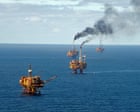
The UK has officially granted consent for the Jackdaw gasfield to commence operations, marking a significant milestone in the nation's energy strategy. Located 150 miles east of Aberdeen in the North Sea, this major gas production facility represents a critical decision point for the Labour government and the broader energy landscape. The Jackdaw gasfield approval comes after four years of regulatory review and deliberation, involving six different energy secretaries throughout the process.
Timeline and Regulatory Journey
The path to Jackdaw gasfield approval has been notably protracted. The project initially received preliminary backing approximately four years ago, yet faced extended scrutiny from multiple government administrations and regulatory bodies. The protracted timeline reflects the complexity surrounding North Sea energy development and the competing priorities within government departments. Finally, on Wednesday, the formal consent was granted, allowing the facility to proceed toward full commercial production operations in the North Sea region.
Implications for UK Household Energy Bills
One of the most pressing concerns surrounding this decision involves its potential effects on household energy costs. The North Sea gas drilling project is expected to contribute additional gas supply to the British market, which theoretically could influence energy pricing. Proponents argue that increased domestic gas production may help stabilize wholesale prices and reduce the UK's dependency on imported liquefied natural gas. However, critics contend that energy bill relief depends on numerous global market factors beyond domestic production levels, including international energy prices and market competition dynamics.
Economic Considerations and Employment
From an economic perspective, the UK energy policy shift toward supporting North Sea gas development carries significant implications. The Jackdaw project is anticipated to generate employment opportunities throughout construction, operation, and maintenance phases. These positions span engineering, technical expertise, offshore operations, and supply chain support roles. Investment in the facility and related infrastructure is expected to contribute positively to economic activity, particularly in Scotland's northeast region where Aberdeen serves as a major energy sector hub.
Environmental and Climate Concerns
The climate crisis impact of this decision has generated substantial controversy among environmental advocates and climate policy experts. Expanding North Sea gas production appears to contradict the UK's commitment to achieving net-zero carbon emissions by 2050. Climate campaigners argue that approving new fossil fuel projects contradicts the urgency of transition toward renewable energy sources. The carbon emissions generated throughout the Jackdaw facility's operational lifetime will contribute to atmospheric greenhouse gas accumulation, potentially undermining climate targets.
Labour Party Political Fallout
The approval decision has created significant political tensions within the Labour administration. Andy Burnham and other prominent party figures have voiced concerns about the decision's alignment with environmental commitments made during electoral campaigns. This internal disagreement highlights the tension between economic development priorities, employment generation, and climate action objectives within the current government structure.
Industry and Energy Security Perspective
Energy industry representatives have supported the Jackdaw gasfield approval, emphasizing the importance of North Sea gas for maintaining energy security and reducing reliance on external energy suppliers. Natural gas remains a crucial component of the UK's energy mix during the transition toward renewable sources, they argue. The facility's contribution to domestic gas supply strengthens Britain's energy independence and reduces vulnerability to international supply disruptions or geopolitical tensions affecting energy markets.
International Context and Net-Zero Commitments
The decision occurs within a complex international context regarding climate commitments and energy transitions. The UK has pledged significant renewable energy investments and has committed to phasing out coal power. However, natural gas infrastructure continues playing a bridge role in many energy transition scenarios. The climate crisis impact of extending gas production capabilities raises questions about the compatibility of this project with broader decarbonization strategies expected throughout the next decades.
The Jackdaw gasfield approval represents a multifaceted decision affecting energy supply, economic development, climate policy, and political relationships within the current government. Its long-term consequences will likely influence UK energy policy direction and climate action effectiveness for years ahead.