Royal Navy Faces Arctic Capability Gap Against Russia
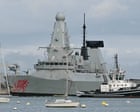
Parliamentary Alarm Over Naval Readiness in Arctic Waters
The defence select committee has raised serious concerns about Royal Navy Arctic capability, warning that Britain's military presence in the High North may prove insufficient to counter future Russian aggression. According to MPs, persistent shortfalls in submarine numbers and warship availability threaten the nation's ability to maintain deterrence in strategically critical Arctic waters.
The committee's assessment highlights a widening gap between current naval resources and operational requirements needed to secure British interests beyond UK territorial waters. This warning comes as tensions with Russia remain elevated, making Arctic security a central concern for defence planners.
Evidence of Operational Strain
Several key incidents have underscored the constraints facing Britain's naval forces. The delayed deployment of HMS Dragon to Cyprus this spring demonstrated scheduling difficulties within the fleet. Additionally, the ongoing decline in frigate numbers has reduced the Royal Navy's capacity for sustained operations across multiple global commitments.
Most significantly, reports surfaced that all five Astute-class attack submarines underwent simultaneous docking procedures during summer months. This coincidence revealed a critical vulnerability in the nation's submarine fleet, leaving no operational vessels of this class available at a crucial moment.
The Submarine Shortage Challenge
Attack submarines form the backbone of modern naval deterrence, particularly in contested waters where surface vessels face increased vulnerability. The Royal Navy's Astute-class submarines represent cutting-edge technology, yet their current numbers fall short of strategic requirements. With only five boats in service, maintenance scheduling becomes increasingly problematic when all vessels require dock time simultaneously.
The committee's focus on submarine availability reflects broader concerns about naval sustainability. Building new submarines requires time and substantial investment, meaning short-term solutions remain limited. However, MPs argue that the government must prioritise accelerated programmes to address this capability gap.
Frigate Fleet Limitations
Beyond submarines, the Royal Navy has experienced consistent reductions in frigate strength over recent decades. These surface combatants provide essential capabilities for escorting operations, territorial patrol, and humanitarian missions. Declining frigate numbers restrict the fleet's operational reach and force commanders to make difficult choices about which commitments can be sustained.
The High North presents unique operational challenges requiring vessels capable of operating in extreme weather conditions and remote locations. Frigates equipped with modern sensors and weapons systems offer flexibility that the Navy currently struggles to maintain across all required areas of operations.
Strategic Implications for Arctic Defence
Russia has invested heavily in Arctic capabilities, deploying icebreakers, submarines, and coastal defence systems throughout its northern territories. As climate change opens new shipping routes and resource opportunities, geopolitical competition in polar regions intensifies. Britain's ability to project power and maintain presence in these waters depends directly on available naval assets.
The defence committee warns that without dramatic progress by 2030, Britain risks conceding strategic advantage in a region of growing importance. NATO allies including Canada and Norway also face similar capability challenges, yet coordination and burden-sharing offer potential solutions.
Timeline for Improvement and Requirements
MPs have emphasised that the current situation requires urgent remedial action rather than incremental changes. The committee calls for 'dramatic progress' within the current decade to restore adequate levels of deterrence. This timeline implies significant investment decisions and procurement acceleration.
Defence planners must balance Arctic requirements against global commitments, particularly maintaining presence in the Indo-Pacific and Middle East regions. Resource constraints mean difficult prioritisation decisions lie ahead.
Government Response and Future Direction
The warning from the defence select committee carries weight in parliamentary scrutiny of military spending and strategy. Government officials face pressure to demonstrate concrete plans for addressing submarine and frigate shortages. Future defence reviews will likely prioritise Arctic capabilities more prominently.
Investment in new construction programmes, modernisation of existing vessels, and operational scheduling reforms all feature in potential solutions. However, the financial implications of expanding naval capacity raise questions about defence budget allocation.
The committee's assessment serves as a critical reminder that military deterrence requires sustained investment and strategic planning. Britain's ability to protect national interests in the High North depends on addressing current capability gaps before they widen further. The defence community and political leadership must act decisively to ensure the Royal Navy possesses adequate resources for emerging security challenges in Arctic waters.