
Trump Scales Back US-South Korea Military Drills Following Iran Conflict Stance
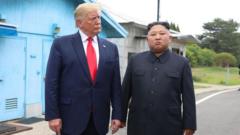
Trump Administration Announces Reduction in US-South Korea Military Exercises
The United States plans to scale back its military drills with South Korea, marking a significant shift in defense policy coordination between the two allied nations. The decision to reduce the scope and frequency of US South Korea military drills reflects broader strategic considerations regarding regional stability and diplomatic engagement with North Korea.
Strategic Reasoning Behind the Decision
President Trump attributed the downsizing of joint military exercises to his personal diplomatic relationship with North Korea's leadership. According to the administration, maintaining constructive channels of communication with Pyongyang requires recalibrating the visibility and scale of military operations near the Korean peninsula. Trump emphasized his "very good relationship" with North Korea's leader as the primary factor influencing this consequential defense policy adjustment.
The timing of this announcement coincides with heightened tensions in the Middle East, following developments in the Iran conflict. South Korea's decision to maintain distance from direct military involvement in Iran operations appears to have prompted the administration's reassessment of bilateral defense cooperation frameworks.
Implications for Regional Security Architecture
The reduction in US South Korea military drills represents a departure from decades of established defense protocols designed to maintain deterrence capabilities on the Korean peninsula. Joint exercises have historically served as critical mechanisms for interoperability testing, troop readiness assessment, and demonstrating unified military strength against potential adversaries.
Military analysts suggest that scaling back these operations could signal shifting priorities within the Trump administration's broader Asia-Pacific strategy. The decision underscores a preference for quiet diplomacy over traditional military posturing, particularly regarding North Korean engagement efforts.
South Korea's Position and Response
Seoul's approach to the Iran situation influenced Washington's calculation regarding future US South Korea military drills. By exercising restraint in Middle Eastern affairs, South Korea demonstrated independent decision-making capacity while preserving its security alliance with the United States.
The reduction in joint exercises requires careful coordination between Washington and Seoul to ensure that operational readiness and defensive capabilities remain robust. South Korean defense officials must balance alliance obligations with the practical implications of reduced training opportunities and joint military coordination activities.
Diplomatic Strategy and North Korea Engagement
Trump's emphasis on his relationship with North Korea's leader reflects a deliberate diplomatic strategy centered on personal engagement rather than traditional multilateral security frameworks. The administration's willingness to modify long-standing military arrangements demonstrates commitment to pursuing direct negotiations with Pyongyang.
By reducing the visibility of US South Korea military drills, the administration aims to create a more favorable environment for sustained diplomatic dialogue. This approach prioritizes negotiation pathways over military demonstrations of strength, though critics argue it may undermine regional security assurances.
Future Outlook for Asian Security Cooperation
The scaling back of US South Korea military drills raises questions about long-term defense commitments in the region. Future exercises will likely be recalibrated to balance diplomatic objectives with genuine military readiness requirements.
International observers will closely monitor how this policy adjustment affects broader regional security dynamics, alliance credibility, and North Korea's response to reduced military presence along the peninsula. The coming months will reveal whether this strategic shift produces tangible diplomatic breakthroughs or creates security vulnerabilities that concern Seoul and other Asian partners.


