Black-Clad Dover Blockade: Activists Warn of Repeat Disruptions
Dover Blockade Raises Concerns Over Future Disruptions
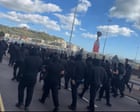
A significant Dover blockade protest organized by masked, black-clad demonstrators has prompted serious warnings from political figures and advocacy organizations. The Dover blockade protest, orchestrated by an anti-immigration group with far-right connections, has created widespread concern about potential recurrence if law enforcement does not enhance preventive measures. Officials and community leaders are now calling for immediate action to prevent similar incidents from destabilizing the region's critical infrastructure and daily operations.
Patriot Platform's Role in the Demonstration
The anti-immigration organization claiming responsibility for the disruption identifies itself as Patriot Platform, a group that emphasizes nationalist rhetoric and describes itself as embodying a "fierce love for our homeland." The organization has successfully mobilized substantial numbers of participants, demonstrating the capacity to coordinate large-scale protests that can significantly impact traffic flow and economic activity in major transit hubs. This capability to assemble demonstrators rapidly has raised alarms among law enforcement agencies and political representatives who recognize the potential for escalation.
Organizational Structure and Messaging
Patriot Platform's ability to attract supporters and organize coordinated action reflects broader trends within activist movements that combine anti-immigration sentiment with nationalist appeals. The group's decision to employ masks and identical black clothing served to create a unified visual identity while obscuring individual participants' identities—a tactical choice that both amplified the demonstration's impact and complicated law enforcement's response efforts. Their messaging framework positions immigration as a primary concern requiring direct action and public intervention.
Police Response and Accountability Questions
Hope Not Hate, a prominent anti-extremism organization, has publicly criticized police "inaction" as a contributing factor to Patriot Platform's ability to mobilize at significant scale. According to the organization's founder, insufficient law enforcement intervention has effectively enabled the far-right linked group to expand its operational capacity and confidence in undertaking future demonstrations. This assessment suggests that inadequate police preparedness and response strategies have inadvertently emboldened activist groups to plan additional disruptions.
Warnings from Campaigners and Politicians
Multiple stakeholders have issued explicit warnings that without strengthened police protocols and enhanced enforcement measures, similar blockade protests will likely recur. Campaigners have emphasized that the Dover blockade protest represents not an isolated incident but rather a template for future action that may inspire similar demonstrations at other strategically important locations. Politicians representing affected constituencies have demanded that relevant authorities develop comprehensive strategies to prevent repeated disruptions to essential infrastructure and civilian movement.
Implications for Public Safety and Infrastructure
The blockade's disruption of the Port of Dover—one of the United Kingdom's most vital transit points—underscores the vulnerability of critical infrastructure to organized protest action. The financial and logistical consequences of road blockades at such locations extend beyond immediate traffic delays, affecting supply chains, emergency services, and economic productivity. The incident has prompted discussions about balancing citizens' rights to demonstrate with the necessity of protecting essential services and public order.
Strategic Considerations for Prevention
Law enforcement agencies face the complex challenge of preventing future disruptions while respecting lawful assembly rights. The Dover blockade protest demonstrates that groups with sufficient coordination and numbers can overcome typical policing responses, particularly when participants employ anonymity measures. Authorities must therefore develop more sophisticated intelligence gathering, predictive analysis, and intervention strategies specifically designed to address large-scale protest actions before they materialize into operational disruptions.
Broader Concerns About Far-Right Mobilization
The involvement of a far-right linked organization in the Dover blockade protest raises concerns about the radicalization trajectory of anti-immigration activism. The successful coordination of a substantial demonstration by Patriot Platform suggests that such groups have developed effective organizational infrastructure capable of translating ideological commitment into concrete action. This capability poses ongoing challenges for community cohesion and public safety in regions where anti-immigration sentiment remains elevated.
Moving forward, the convergence of police preparedness, community resilience, and preventive strategies will determine whether such demonstrations remain isolated incidents or become recurring features of public life. The warnings issued by Hope Not Hate and political representatives reflect recognition that without decisive action, the Dover blockade protest model may inspire replication at other locations throughout the country.