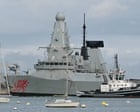
Far-right Activists Gather at Portsmouth Port After Migrant Boat Interception

Large-Scale Far-Right Activism Erupts Following Maritime Interception
Far-right protesters have mobilized in significant numbers at Portsmouth following the interception of a small boat carrying approximately 140 asylum seekers. This incident marks a watershed moment for organized far-right activism at UK ports, with unprecedented coordination among anti-immigration groups attempting to obstruct the processing and transportation of newly arrived migrants.
The arrival of such a substantial number of asylum seekers via maritime routes has triggered an extraordinary emergency response. Maritime authorities deployed multiple resources including a helicopter, an aircraft, and several lifeboat crews to manage the interception operation. Officials have indicated that this represents the largest single vessel containing asylum seekers ever brought to the Portsmouth coast, establishing a new precedent for both arrival scale and subsequent activist mobilization.
Organized Online Coordination and Livestreaming Strategy
Social media influencers played a pivotal role in organizing the far-right response, using livestreaming platforms to encourage supporters to travel to Portsmouth. These online activists issued direct calls for men to congregate at the port and physically obstruct coaches transporting the asylum seekers from leaving the area. This represents a deliberate strategy to employ digital tools for coordinating real-world protest activity and attempting to impede official government operations.
The livestreaming element demonstrates how contemporary far-right movements leverage social media infrastructure to rapidly mobilize participants across geographical distances. Influencers documented events in real-time, broadcasting developments to wider audiences and potentially encouraging further attendance at the demonstration.
Government Response and Relocation Plans
Following the boat's successful interception, authorities brought all occupants safely to shore at Portsmouth. The Home Office has established protocols for transporting the asylum seekers to Manston processing center, situated outside Ramsgate in Kent. This facility serves as the primary processing hub for individuals arriving via small boat routes across the English Channel.
The decision to relocate arrivals to Manston follows established Home Office procedures designed to systematically process asylum applications and initial documentation. The transportation process itself became a flashpoint for activist obstruction, with far-right protesters attempting to physically prevent coaches from departing the port area.
Unprecedented Scale of Coordinated Anti-Migrant Activism
This incident represents the first documented instance of far-right protesters attempting to systematically block newly arrived asylum seekers from being processed through official channels at Portsmouth. The coordinated nature of the response, facilitated through social media organization, indicates evolving protest tactics among anti-immigration movements.
Prior to this event, while individual anti-migrant sentiment has existed across various UK communities, organized blockade attempts at processing locations remained uncommon. The Portsmouth incident suggests potential shifts in how far-right groups are organizing collective action around migration-related events.
Maritime Route Context and Broader Immigration Debates
Small boat arrivals across the Channel represent a contentious element within UK immigration policy discussions. These maritime crossings have become increasingly prominent in public discourse, with various political actors holding strongly divergent positions regarding appropriate government responses.
Anti-immigration activists argue that increased vigilance and obstruction of asylum processing serves their political objectives, while immigration advocates and humanitarian organizations contend that asylum seekers deserve fair processing and safe harbor. The Portsmouth incident crystallizes these competing perspectives and demonstrates how digital organizing enables rapid mobilization around migration events.
Implications for Future Port Operations and Public Safety
The successful mobilization of hundreds of far-right protesters raises questions regarding security protocols at maritime facilities and the potential for future disruptions. Authorities must balance operational requirements with managing large-scale activist demonstrations that attempt to obstruct government functions.
The far-right protesters' use of livestreaming and social media coordination suggests that future maritime arrivals may similarly trigger organized counter-mobilizations. This dynamic could significantly complicate logistics, security operations, and the processing timelines for asylum seekers arriving at UK ports.
The Portsmouth incident underscores emerging tensions between activist movements, government operations, and the humanitarian imperative to process asylum applicants efficiently and safely. As small boat arrivals continue generating political controversy, port cities like Portsmouth may increasingly experience similar demonstrations coordinated through digital platforms.